Self-Care for Black Women
Self-Care for Black Women: A Practical Guide for Rest, Boundaries, and Confidence
If you are looking for self care for Black women, you may be trying to make personal growth feel practical instead of performative. This guide gives you a grounded way to start, reflect, and choose the right Jada Amari book for the season you are in.

Key takeaways
- Make the practice small enough to repeat when life is full.
- Use reflection to clarify what you need, not to judge yourself.
- Pair affirmations and vision work with grounded action.
- Choose a book or journal that fits your current season.
Who this guide is for
This guide is for the woman who wants language for what she has been feeling, but does not want a lecture or a perfectly packaged routine. It is for the reader who may be carrying stress, ambition, faith, family expectations, work pressure, or a private desire for a softer season. When a search starts with self care for Black women, it usually means the reader is ready for something practical enough to use today.
That may look like a ten-minute journal session before bed, a short coloring page after work, a boundary written in plain language, or one affirmation that is tied to an actual decision. The point is not to become a new person overnight. The point is to notice what is already asking for care and give it a little structure.
A 20-minute practice to try today
- Set a timer for five minutes. Write what feels most present without editing it into something impressive.
- Name one pressure. Choose one thing that has been taking more from you than it gives back.
- Name one need. Rest, clarity, money, support, confidence, patience, and spiritual grounding are all valid needs.
- Choose one sentence. Turn that need into an affirmation, boundary, prayer, or action step.
- Close with one next move. Pick something small enough to finish before the day ends.
This is where burnout awareness and self-compassion can become more than broad ideas. They can become entry points into a real practice. If the work feels too large, make it smaller. Instead of trying to fix everything, write one honest sentence and let that sentence point to the next one.
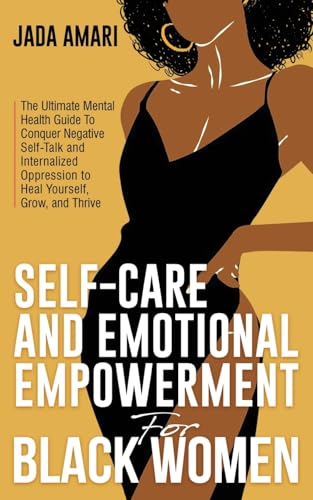
Self-Care and Emotional Empowerment for Black Women
This Jada Amari book is a natural next step when you want guided reflection around self-care, emotional awareness, and empowerment instead of starting from a blank notebook.
Buy on AmazonWhat this practice is really about
You may have arrived here because you want language for something you have already been carrying. The goal is not to add pressure. The goal is to use a prompt or practice that helps you hear yourself more clearly.
For Black women especially, self-care and manifestation content can become too polished and too generic. A better approach is practical: name what is draining you, name what you want to protect, and name one choice that can move your week in a better direction.
Common mistakes that make the work harder
The first mistake is turning reflection into another performance. If the page has to sound wise, polished, or perfectly spiritual, it stops being useful. Private writing can be plain. It can be messy. It can repeat itself. That honesty is often where the useful pattern shows up.
The second mistake is using inspiration as a substitute for support. A quote, affirmation, or coloring page can help you pause, but it should not become a way to ignore exhaustion, unfair treatment, financial pressure, loneliness, grief, or fear. A grounded practice makes room for beauty and truth at the same time.
The third mistake is choosing a routine that only works on your easiest day. Build a version that works when you are tired. One paragraph, one page, one prompt, or one quiet coloring session can still count.
A simple weekly rhythm
| Day | Practice | Purpose |
|---|---|---|
| Monday | Write one honest check-in | Notice what is true before setting goals |
| Wednesday | Choose one affirmation or boundary | Turn reflection into language |
| Friday | Review one action and one feeling | Connect growth to real life |
Prompts to use this week
- What am I tired of pretending does not affect me?
- Where do I need more support, not more self-discipline?
- What would I choose if I trusted my own pace?
- What belief about myself needs to be challenged with evidence?
- What small act of care would make the next twenty-four hours lighter?
- What do I want to remember about self care for Black women when life gets busy?
How to use a workbook without rushing
Open to one page and treat it as a conversation, not a performance. If a prompt feels too big, answer it with three bullet points. If it feels too tender, write what you are ready to say today and return later.
The best workbook practice is not about finishing quickly. It is about building a record of what you are learning, what you are releasing, and what you are choosing next.
Start with the section that answers the question you came with. If you want more structure, consider the book recommendation only after it feels relevant to your needs. If you want a routine, repeat the same page or prompt for a week before looking for something new.
Choosing the right next step
Choose the smallest next step that matches what you need now. Use a reflection prompt when you need clarity, a coloring practice when you want a quiet pause, an affirmation when you need supportive language, or a guided book when a blank page feels like too much.
If this topic fits your current season, explore the self-care book guide to compare Jada Amari resources by need and format. If you are choosing for someone else, use the gift guide for Black women who love books and journals to compare options by interest and occasion.
- Strong Black Woman Burnout: Signs, Recovery, and Daily Self-Care PracticesRelated guide
- Negative Self-Talk and Internalized Oppression: A Gentle Workbook ApproachRelated guide
- Black Women Burnout Recovery Plan: Rest, Reflection, and BoundariesRelated guide
- Browse Jada Amari booksBook catalog
- Read more Jada Amari guidesArticle hub
FAQ
How do I start with self care for Black women?
Start with one short reflection prompt and one action you can take this week. Keep it small enough that you can repeat it.
How often should I journal or reflect?
Two or three short sessions per week is enough for many readers. Consistency matters more than filling many pages at once.
Is a workbook enough on its own?
A workbook can support reflection and consistency, but it is not a replacement for professional help when someone needs it.