Self-Care Books for Black Women: Which One Fits Your Current Need?

Start with your real decision: do you need a broad self-care foundation, a creative activity, stronger self-compassion, inner-child reflection, help with boundaries and release, or grounded self-talk? These six verified Jada Amari books offer different entry points.

Compare the booksBrowse the full collection
The short answer: choose by the need you can name and the activity style you will actually use. Begin with Emotional Empowerment for a broad guided path, the Mindset Activities Coloring Book for creative quiet, Radical Self-Love for self-compassion and boundaries, Inner Child Healing for carefully paced reflection on earlier patterns, Letting Go Without Going Back for release and protective boundaries, or Positive Thinking and Self-Empowerment for believable self-talk. These books support reflection; they do not replace therapy, medical care, or crisis support.

Quick comparison

Book Choose it when Activity style Verified editions
Emotional Empowerment You want a broad self-care and mindset starting point Guided reading and written reflection Paperback, hardcover, ebook
Mindset Activities Coloring Book You want short, creative sessions without a long reading commitment Coloring, affirmations, and activities Paperback, hardcover
Radical Self-Love and Compassion You want to examine self-worth, self-compassion, and boundaries Focused reading and workbook reflection Paperback
Inner Child Healing You want to reflect on how earlier experiences may shape present patterns Guided exercises best approached at a manageable pace Paperback
Letting Go Without Going Back You want to reflect on release while keeping protective boundaries Focused reading and exercises Paperback
Positive Thinking and Self-Empowerment You want grounded self-talk and confidence practices Guided reading with believable affirmations Paperback

Choose by the season you are in

If the need feels broad, begin with Emotional Empowerment. If the need is specific, choose the narrower match: self-compassion, boundaries and release, or self-talk. A focused book can reduce the pressure to solve everything at once.

If your days feel crowded and you can protect only ten quiet minutes, the activity book may fit better. Choose one page, color without a completion goal, then name one thought or need that deserves attention. If coloring is not naturally appealing, choose one of the guided reading options instead.

Gift buyers should consider format before theme. Does the recipient naturally reach for journals and personal-growth books, or do they prefer visual, hands-on relaxation? A book that matches an existing habit is more likely to be opened than one that asks the recipient to become a different kind of reader.
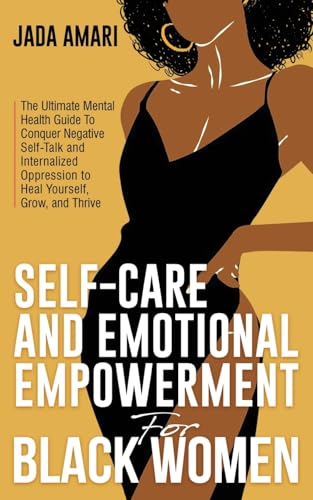
Self-Care and Emotional Empowerment for Black Women book cover

Self-Care and Emotional Empowerment for Black Women

Choose this book if: you want a guided route through self-care, mindset, and personal reflection. It suits a reader who likes to underline an idea, answer a prompt, and turn reflection into one small next action.

Skip it for now if: longer reading or written reflection feels like another obligation. A shorter visual activity may be a kinder entry point in a crowded season.

Simple routine: read a short section, underline one useful idea, answer one prompt, and choose one action you can realistically take before the next session.

See the guided reflection book on Amazon

Review the book details first
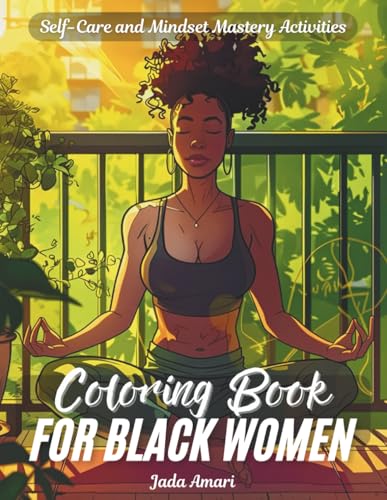
Self-Care and Mindset Mastery Activities Coloring Book for Black Women book cover

Self-Care and Mindset Mastery Activities Coloring Book for Black Women

Choose this book if: you want creative, low-pressure reflection through coloring, affirmations, and activities. It fits someone who would rather engage with a page than begin with a long written entry.

Skip it for now if: you dislike coloring or want a step-by-step reading path. A guided reflection book will provide more words and structure.

Simple routine: choose one page, set a short timer, color without a completion goal, then write one sentence about what needs your attention next.

See the coloring activity book on Amazon

Review the book details first
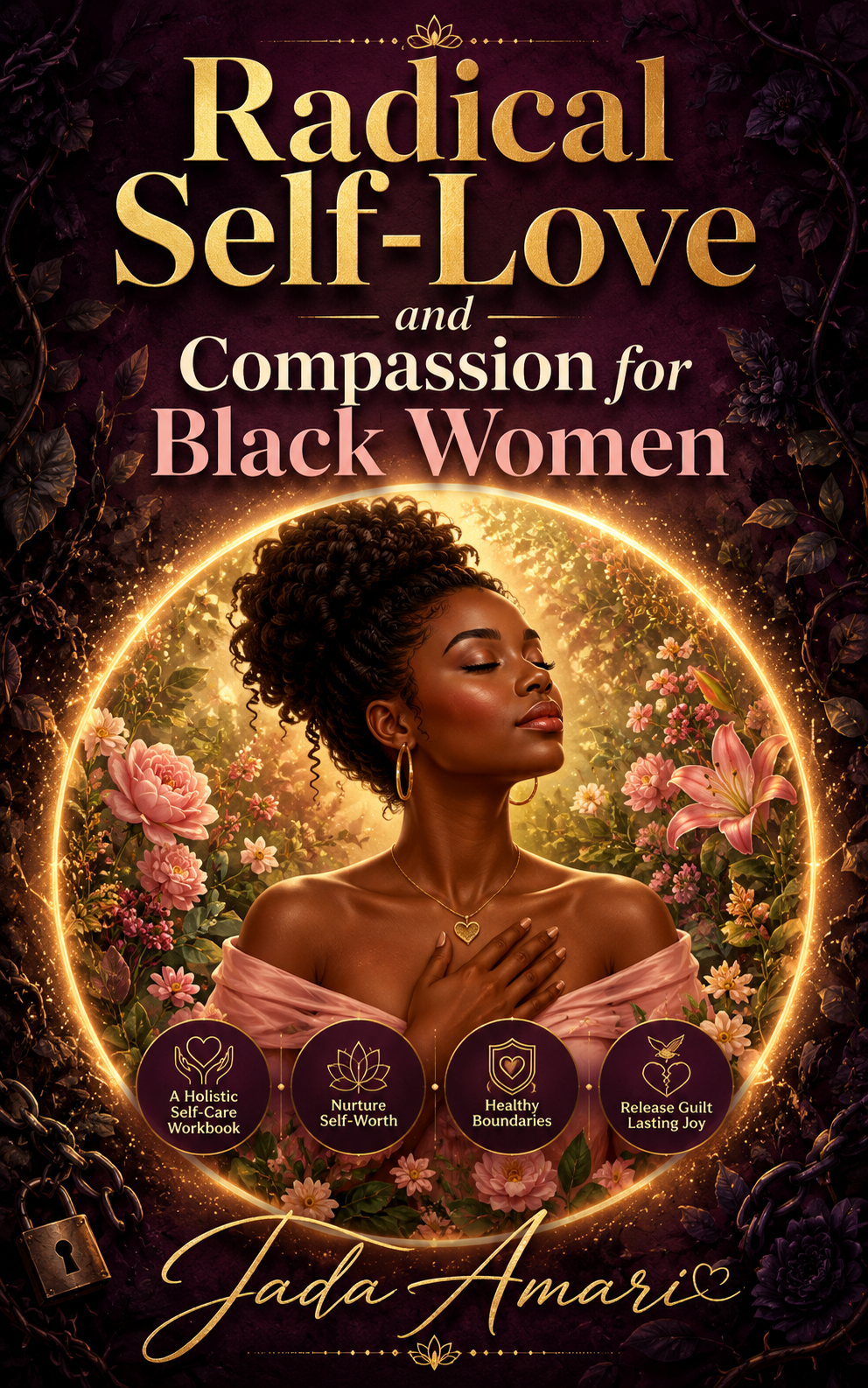
Radical Self-Love and Compassion for Black Women book cover

Radical Self-Love and Compassion for Black Women

Choose this book if: self-worth, self-compassion, and boundaries are the themes you want to examine now.

Skip it for now if: you want a broad self-care overview or a visual activity rather than a focused reading path.

Simple routine: read one short section, name one harsh expectation you have been carrying, and rewrite it as a boundary or a kinder next step.

See the self-love book on Amazon

Review the book details first
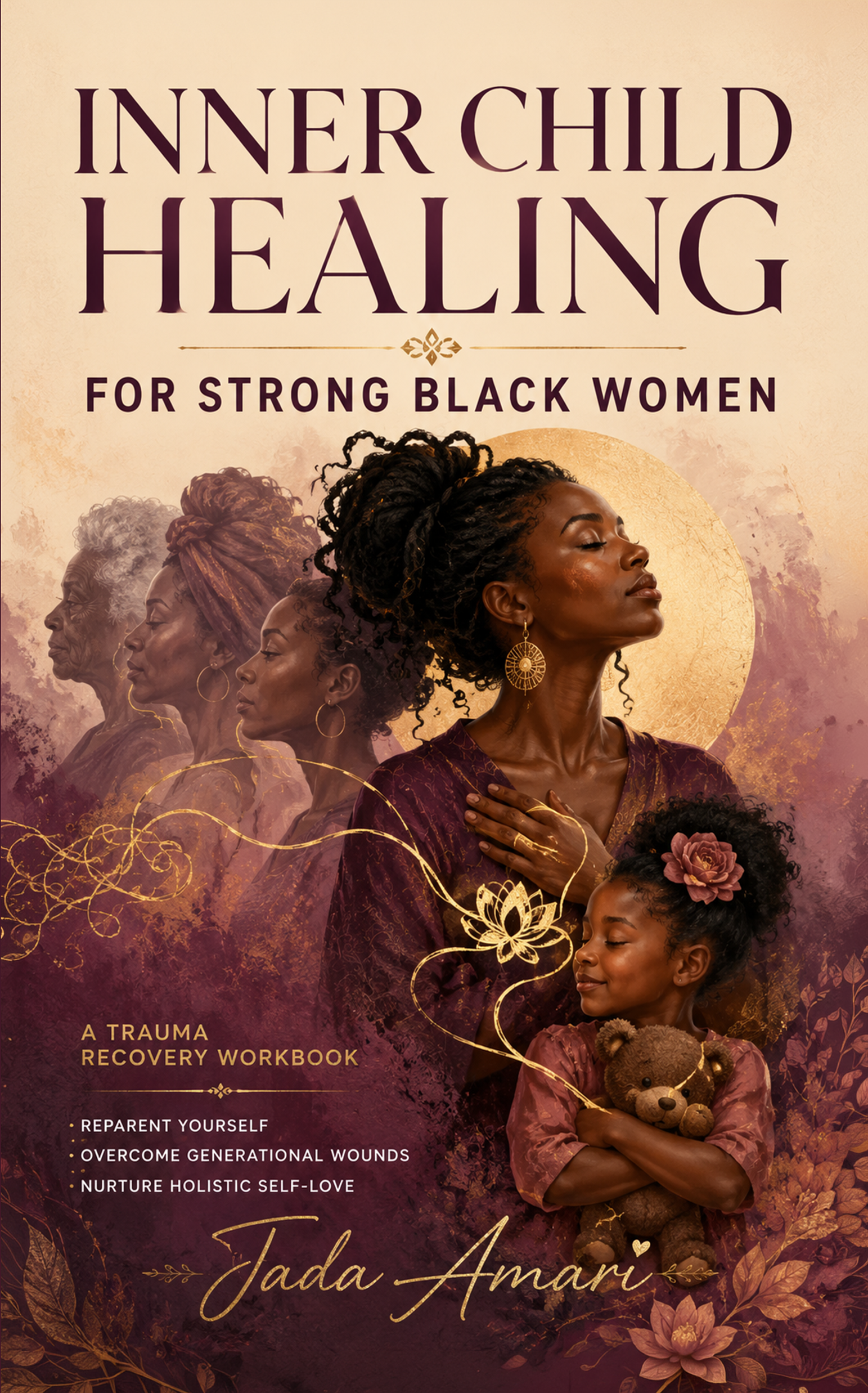
Inner Child Healing for Strong Black Women book cover

Inner Child Healing for Strong Black Women

Choose this book if: you want structured prompts for reflecting on earlier experiences, learned patterns, self-esteem, and self-compassion.

Skip it for now if: this theme feels destabilizing, unsafe, or too difficult for self-guided work. A book is not a substitute for trauma-informed professional support.

Simple routine: choose one prompt, write only what feels manageable, note one present-day need, and stop rather than pushing for a breakthrough.

See the inner-child reflection book on Amazon

Review the book details first
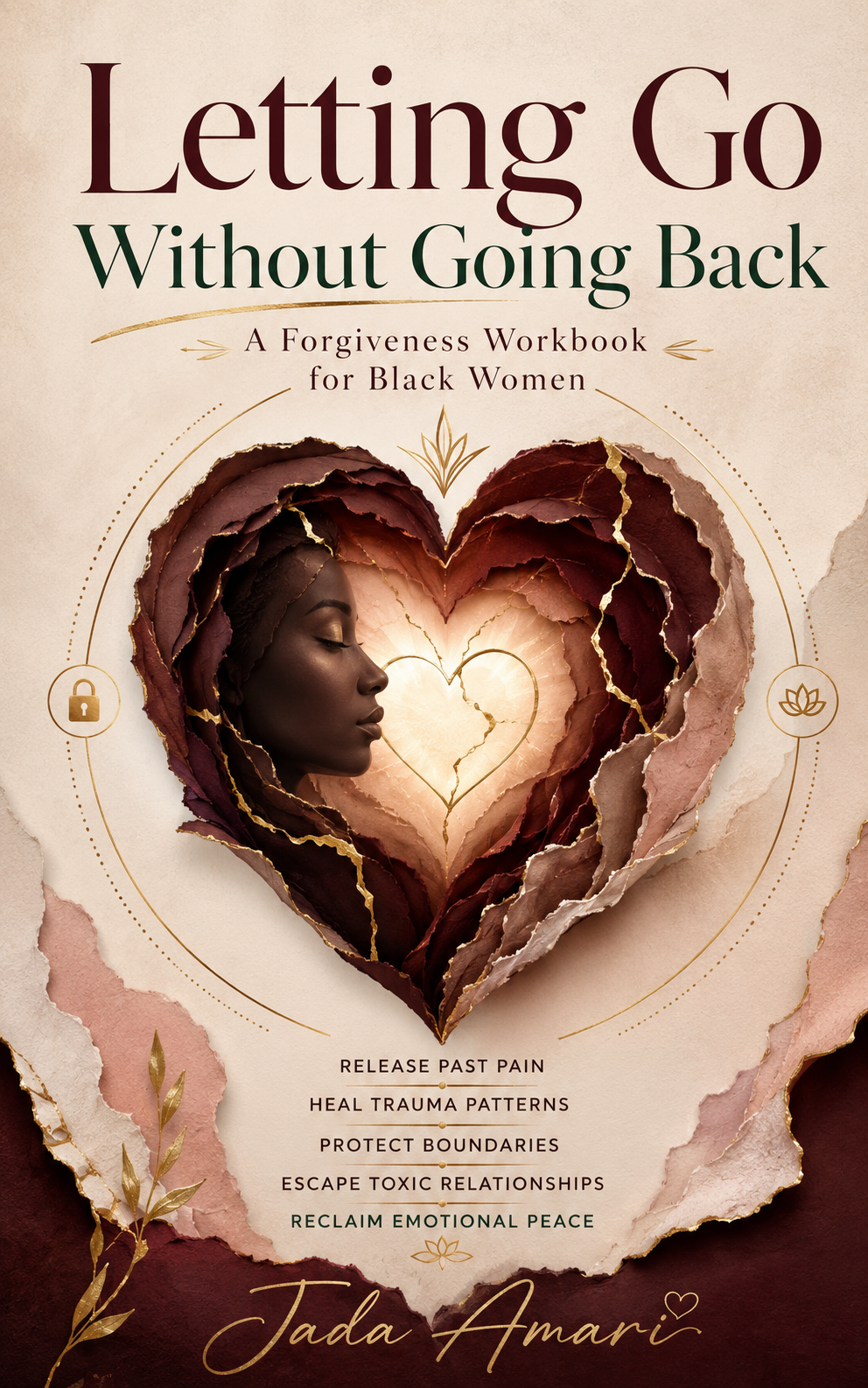
Letting Go Without Going Back book cover

Letting Go Without Going Back

Choose this book if: you want a focused guide for reflecting on release, recurring patterns, and boundaries.

Skip it for now if: the subject feels too raw for self-guided reflection. Pausing or choosing appropriate support is a valid decision.

Simple routine: separate what you want to release from the boundary you want to keep, then identify one action that protects that boundary this week.

See the letting-go guide on Amazon

Review the book details first
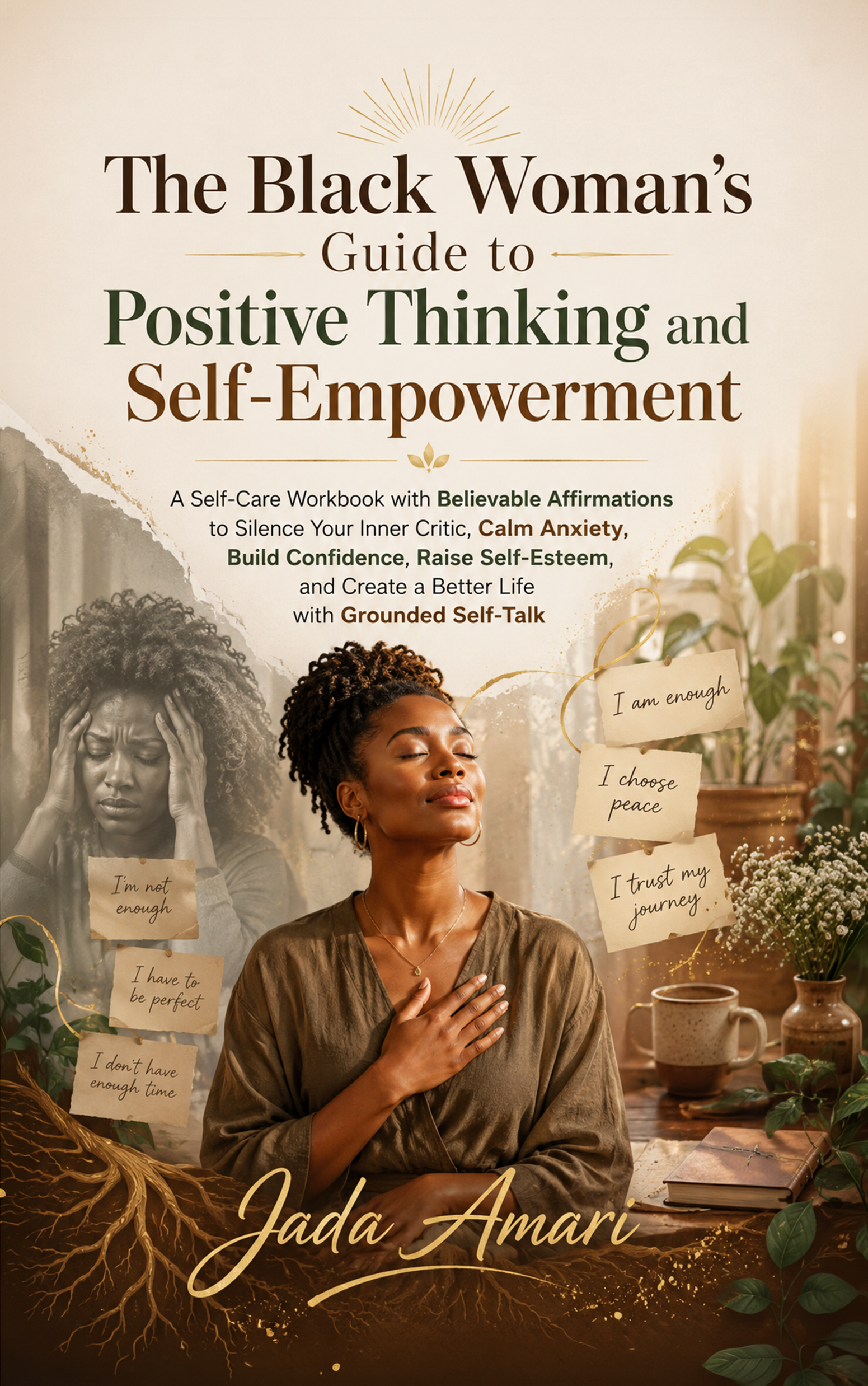
The Black Woman's Guide to Positive Thinking and Self-Empowerment book cover

The Black Woman's Guide to Positive Thinking and Self-Empowerment

Choose this book if: you want to work on inner-critic language, confidence, and believable affirmations without denying real pressure.

Skip it for now if: creative activity or deeper boundary work is the more urgent fit.

Simple routine: write one recurring thought, identify the part that is fact versus prediction, and draft a more grounded sentence you can act on.

See the positive-thinking guide on Amazon

Review the book details first

A seven-day, low-pressure starting plan

  1. Name the current need. Write one honest phrase: rest, confidence, boundaries, clarity, or creative quiet.
  2. Select the format. Choose guided reading or a visual activity based on what feels possible this week.
  3. Schedule one short session. Protect 10 to 25 minutes; do not require yourself to finish a chapter or page.
  4. Notice resistance without judging it. If you avoid the session, ask whether the time, place, or format needs to change.
  5. Repeat the easiest practice. Return to the part that required the least setup and gave you room to think.
  6. Review one useful insight. Write down one idea you want to carry into the next week.
  7. Choose the next step. Continue, switch formats, pause, or seek additional support if reflection brings up needs beyond a self-guided book.
Consistency does not have to mean daily perfection. Two or three short sessions a week can be a real routine. Let the book support your life rather than becoming another standard you have to perform.

Related Jada Amari guides

Frequently asked questions

Which Jada Amari self-care book should I start with?

Start with the need you can name: broad self-care, creative activity, self-compassion and boundaries, inner-child reflection, letting go, or grounded self-talk. The comparison above matches each need to a book.

Is a self-care coloring book a good gift?

It can be a thoughtful gift for someone who enjoys visual, hands-on reflection. Consider whether the recipient likes coloring and affirmations before choosing it.

How much time should I set aside for a self-care book?

Start with 10 to 25 minutes, two or three times a week. A repeatable short session is more useful than an ambitious routine you cannot maintain.

Can I use more than one book together?

Yes. Use one book as the primary path and another for a different format or a more focused need. You do not need to use both on the same day.

Are these books a replacement for therapy or medical care?

No. These books support personal reflection and self-paced routines; they do not diagnose, treat, or replace professional care.